Fly Fishing Shallow Waters in Port Mansfield TX
Fly Fishing in Port Mansfield - What to Expect

Fishing, Tours Adventures by Captain Eric De Leon in October
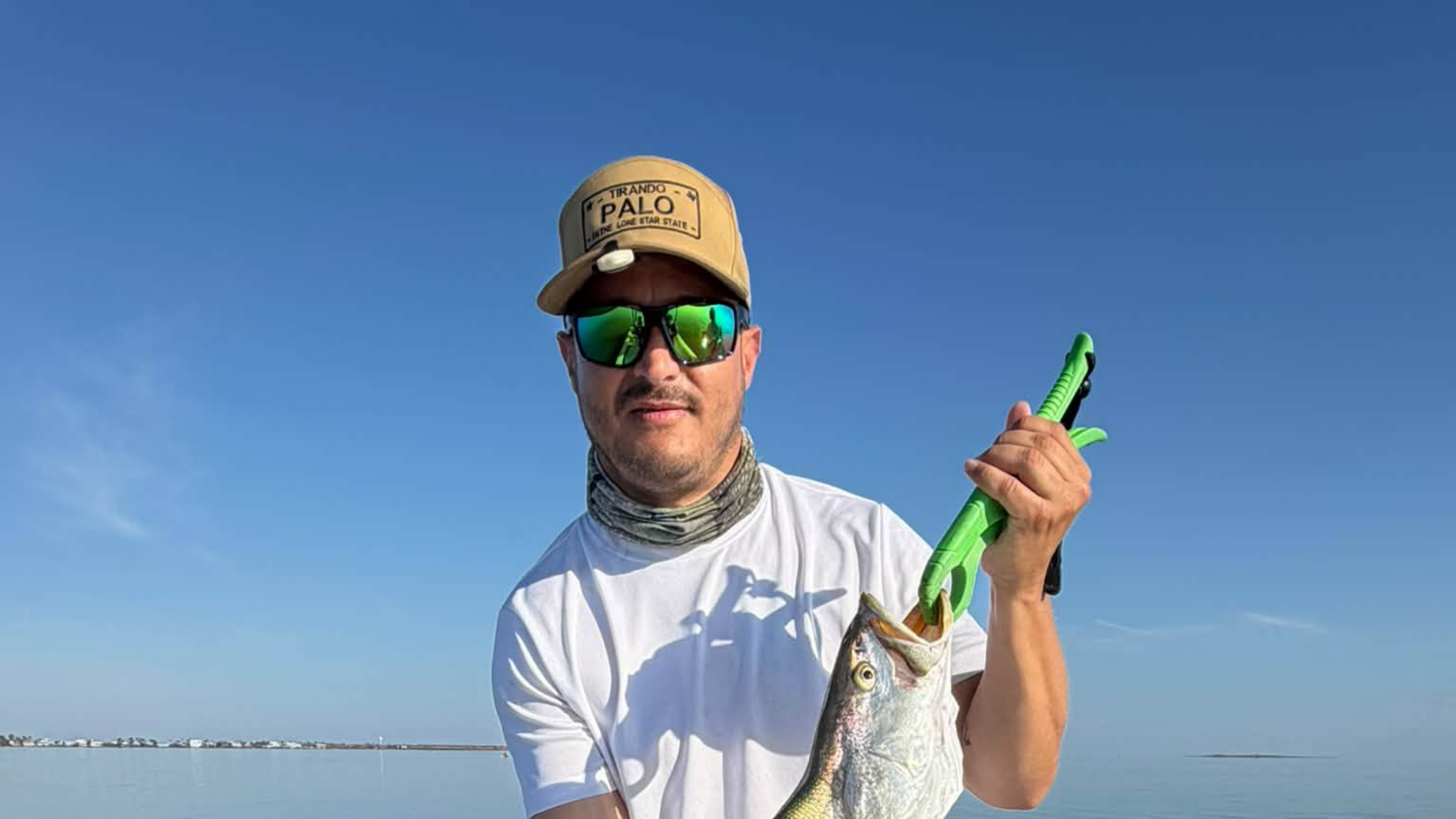
- Port Mansfield Fishing Adventures


Summary
Join Captain Eric De Leon of DriftSouth Charters for a fly fishing and tours adventure in Port Mansfield on a Monday in October. Wade into shallow coastal waters to learn fly fishing techniques while experiencing the unique flats ecosystem of this Texas destination.
Fly Fishing with Captain Eric De Leon - Rates & Booking
Captain Eric De Leon of DriftSouth Charters is available for fly fishing and tours adventures on Monday, October 12, 2026. When you book a guided fly fishing trip in Port Mansfield, you'll wade into some of the most productive shallow coastal waters on the Texas Gulf Coast. To reserve your spot or inquire about rates and availability, contact DriftSouth Charters directly.
Highlights of Shallow Water Fly Fishing
Port Mansfield's shallow flats offer ideal conditions for fly anglers seeking an immersive wade fishing experience. The clear, shallow waters allow guides like Captain Eric to read the environment and help you understand how light, tide, and seasonal patterns affect fish behavior. You'll work the flats using fly tackle, which demands precision casting and teaches you how to present flies naturally to feeding fish in these clear shallows.
The setting itself teaches you about coastal ecology. Shallow water environments support abundant baitfish, crustaceans, and forage species. Understanding what lives here and why helps explain predator behavior and feeding patterns you'll witness throughout your day on the water.
Shallow Flats Fly Fishing Experience
Fly fishing in shallow coastal waters differs fundamentally from other fishing methods. Wading allows you to move quietly through the flats, keeping a low profile and avoiding spooking fish. Guides teaching this method focus on sight-casting techniques, where you spot fish actively feeding before making your cast. This approach builds your understanding of fish location, depth preferences, and feeding windows.
The shallow water environment itself presents both advantages and challenges. Water clarity means fish can see your fly clearly, requiring realistic presentations and natural-colored flies that match local forage. However, this same clarity allows you to observe fish behavior directly, learning how they respond to different retrieves and presentations. You'll see how factors like water temperature, cloud cover, and tidal movement influence when and where fish feed.
The flats around Port Mansfield support diverse species and a complex food web. Small baitfish schooling patterns, shrimp movements triggered by tidal cycles, and crustacean behavior all drive feeding opportunities. Experienced guides help you recognize these ecological patterns, so you understand not just where to cast, but why fish are positioned in specific areas at specific times.
Physical aspects of flats fishing develop specific skills. Wading through shallow water requires stable footing and awareness of bottom structure. Fly casting demands different mechanics than conventional tackle, with timing and rhythm being critical. Guide instruction covers proper stance, casting stroke, and how to adjust for wind and distance. Many anglers find that learning these fundamentals on the flats builds confidence that transfers to other fishing situations.
Port Mansfield's location on the Texas coast means tidal influence is constant and significant. Learning to read tide tables, understand how tidal movement affects water depth and fish position, and recognize feeding windows tied to tidal cycles is part of the educational experience. Guides emphasize how tide timing relates to visibility, baitfish activity, and predator feeding behavior.
Why Port Mansfield for Shallow Water Fly Fishing
This region's shallow coastal waters have earned recognition among fly anglers for consistent conditions and accessible fish populations. The flats environment provides year-round opportunities, though seasonal changes affect species availability and behavior. Water quality, protected basin areas, and established flats make this a productive teaching location for fly fishing techniques and understanding coastal saltwater ecology.